
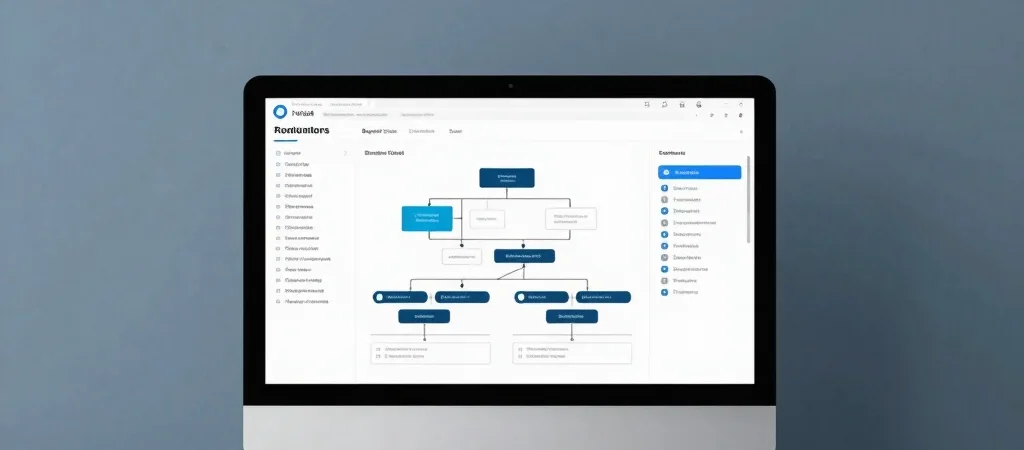
When qualified leads sit idle in a staging queue because of a mismatched field type or missing assignment rule, your go-to-market execution halts immediately. Most European SMBs experience quiet revenue leakage not from lack of demand, but from brittle integrations between marketing automation systems and the primary CRM. Fixing this requires looking past broad sync status indicators and diving directly into conditional routing rules.
Identifying Common Sync Discrepancies
System sync errors frequently stem from inconsistent picklist values or asynchronous field update timing between systems. For instance, when a lead form updates an industry field in HubSpot while a Salesforce trigger expects a strict custom enum, the record drops into sync error logs without notifying the assigned account owner. Auditing these friction points begins with mapping every sync field back to a single source of truth for your data hygiene.
Establishing Strict Field Mapping Rules
To prevent operational deadlocks, define explicit write permission rules across all connected platforms. Primary contact information and company firmographics should follow unidirectional sync logic, updating only from the intake engine to the database of record. Restricting multi-directional sync triggers prevents looping updates that overwrite critical lifecycle timestamps during active sales conversations.
Implementing Automated Error Logging
A robust workflow automation plan requires automated alerts for failed system transactions. By routing sync error notifications into a dedicated operational Slack channel or monitoring queue, revenue operations teams can correct record errors within hours rather than discovering them during end-of-quarter reporting runs. Systematic enablement ensures your routing rules handle exceptions cleanly without dropping prospective buyers.